
Persistent ear pressure or a clogged, underwater sensation can be frustrating, especially when the problem keeps coming back. For some people, these symptoms are related to Eustachian tube dysfunction (ETD), which occurs when the Eustachian tube does not open normally.
When chronic obstructive ETD does not improve with medical treatment, an ENT specialist may recommend balloon dilation of the Eustachian tube. Also called balloon Eustachian tuboplasty, this minimally invasive procedure is designed to open the affected Eustachian tube and improve its function.
What Is the Eustachian Tube?
The Eustachian tubes are small passageways that connect the middle ears with the area behind the nose and throat. They help maintain middle-ear pressure and allow fluid to drain from the ears. These tubes normally open as needed to help equalize pressure. When they don’t open properly, pressure and other uncomfortable ear symptoms can develop.
What Is Eustachian Tube Dysfunction?
Obstructive Eustachian tube dysfunction occurs when inflammation or structural stiffness prevents the Eustachian tube from opening normally. Symptoms associated with ETD can include:
- Ear pressure or a feeling of fullness
- Ear pain
- Muffled hearing
- Ringing in the ears, or tinnitus
- Dizziness
Several issues may contribute to ETD symptoms. Allergies, sinus infections, respiratory infections, and anatomical differences may contribute to obstructive ETD.
With persistent symptoms, getting the correct diagnosis is an important first step toward finding an appropriate Eustachian tube dysfunction treatment.
What Is Balloon Dilation of the Eustachian Tube?
Eustachian tube balloon dilation is a minimally invasive ETD procedure used to treat chronic obstructive Eustachian tube dysfunction that has not improved with medical treatment.
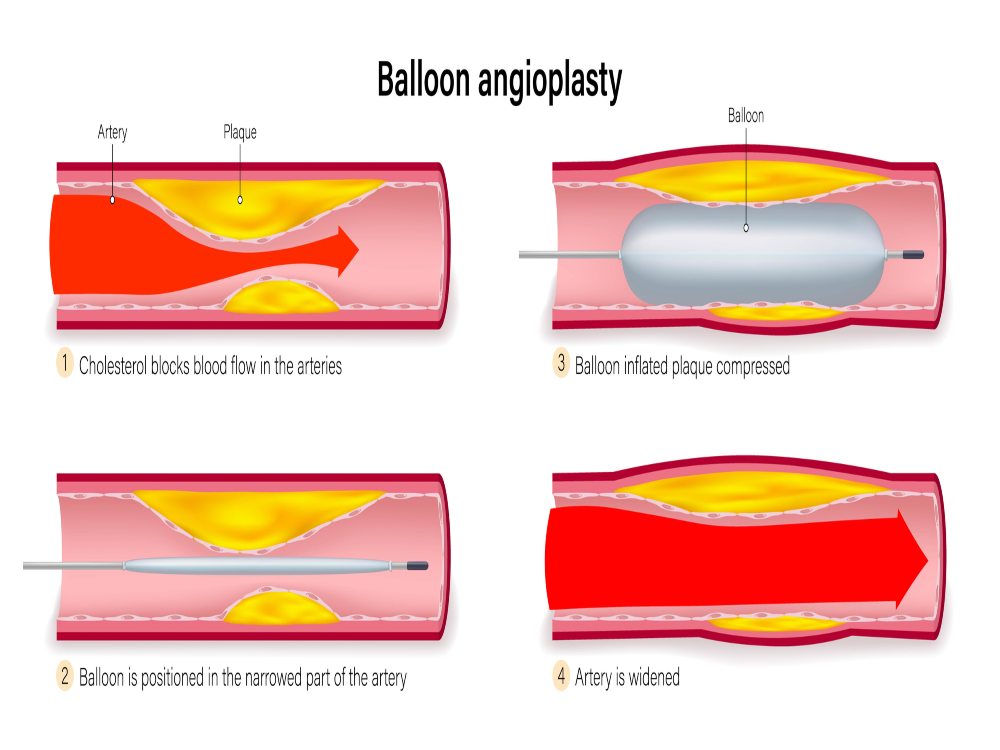
The procedure uses a flexible catheter with an inflatable balloon. The balloon is positioned in the cartilaginous portion of the Eustachian tube and inflated to dilate the passageway. Unlike treatments that only aim to manage symptoms, balloon dilation is intended to improve how the obstructed Eustachian tube functions.
How Does Eustachian Tube Balloon Dilation Work?
During balloon dilation, an ENT physician guides an endoscope through the nostril and toward the opening of the Eustachian tube. A catheter containing a deflated balloon is then positioned in the Eustachian tube. The balloon is inflated to dilate the cartilaginous portion of the Eustachian tube, with the goal of improving its ability to open and regulate middle-ear pressure. After dilation, the balloon is deflated and the instruments are removed. The procedure does not require an incision. Depending on the individual situation, the procedure may be performed using local or general anesthesia.
Who May Be a Candidate for Eustachian Tube Balloon Dilation?
Balloon dilation is not necessarily the right treatment for every person experiencing clogged ears, pressure, or discomfort. The procedure specifically treats obstructive Eustachian tube dysfunction, so determining the underlying cause of symptoms is important. Eustachian tube balloon dilation is used for chronic obstructive ETD that does not improve with medical treatment.
We will review your medical history, symptoms, ear health, and previous treatments before recommending the procedure. Evaluation may include an ear examination, hearing testing, tympanometry, and nasal endoscopy.
If you have persistent ear pressure, muffled hearing, or need chronic ear fullness treatment, we help determine whether ETD or another ear condition is responsible.
What to Expect After Eustachian Tube Balloon Dilation
Recovery following balloon dilation can vary, so patients should follow the specific aftercare instructions provided by their ENT specialist. The outpatient procedure may lead to mild and temporary symptoms afterward as ears heal. The specific recovery experience depends on the individual and procedure.
Learn Whether Eustachian Tube Balloon Dilation Is Right for You
Dr. Matt Conoyer & Dr. Karen Boone help relieve sinus and ear pain in St. Peters, MO. If your symptoms are persistent or keep returning despite treatment, an ENT specialist can evaluate your ears and determine whether Eustachian tube dysfunction may be contributing to the problem. Schedule an appointment with us to learn whether Eustachian tube balloon dilation could be an appropriate treatment for you.
Frequently Asked Questions About BDET
What Does Balloon Dilation of the Eustachian Tube Do?
The procedure uses an inflatable balloon catheter to dilate the cartilaginous portion of the Eustachian tube. It is designed to treat persistent obstructive Eustachian tube dysfunction by opening the affected tube.
Is Eustachian Tube Balloon Dilation Performed in an Office?
Yes. Our practice performs Eustachian tube balloon dilation in the office under local anesthesia. In other settings, the procedure may be performed under general anesthesia when appropriate.
How Long Does Recovery Take After Eustachian Tube Balloon Dilation?
Recovery varies from patient to patient. Because your experience can depend on factors such as anesthesia and your individual health, your ENT specialist can provide the most accurate guidance on returning to work, exercise, travel, and other normal activities.